Residential Moves
How early should I plan if I am buying and selling in the same Oklahoma City Metro move?
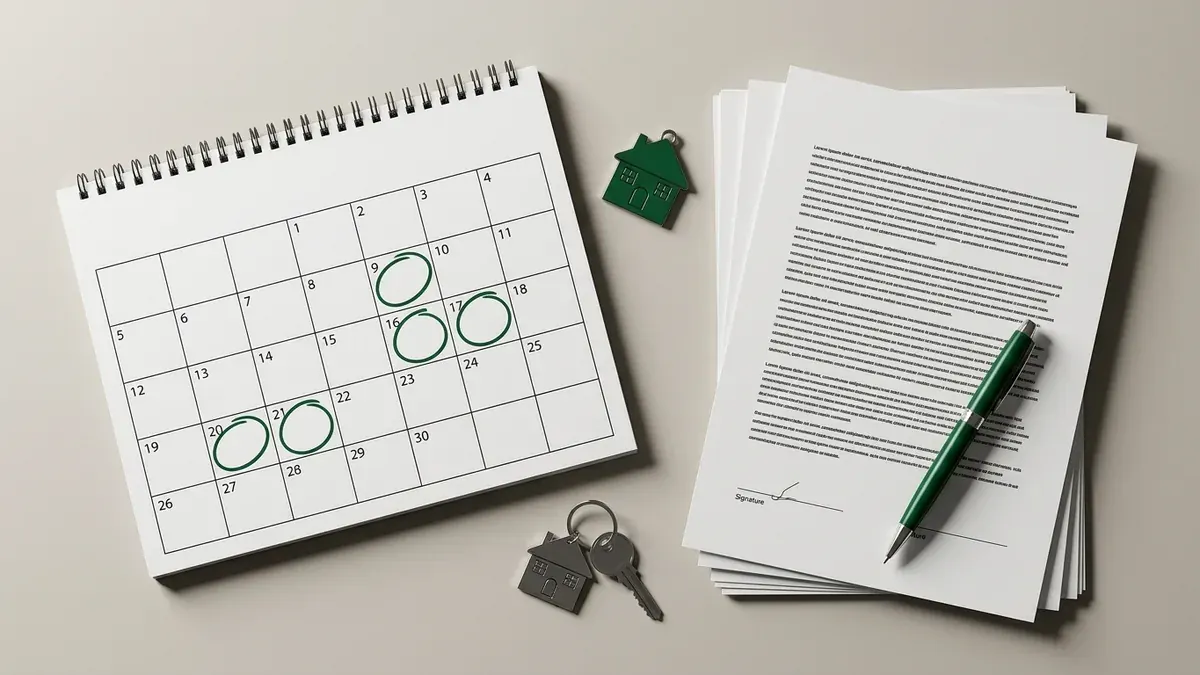
If you are buying and selling in the same Oklahoma City Metro move, start planning several months before you want to move, decide which transaction leads, and line up the closing dates on purpose. This guide explains the two orders, the contingencies that protect you, and a working timeline you can adapt.
On this page
Start earlier than feels necessary
Start planning a combined sale and purchase several months before you want to move, because two transactions carry twice the moving parts and each one waits on the other. Most people begin when they see a home they like, which is the moment when the fewest options remain. Planning early keeps choices open and keeps the decision in your hands.
The plan does not need to be complicated at the start. It needs a realistic budget, a conversation with a lender, an honest look at your current home, and a decision about which transaction you want to lead. Everything else in the move builds on those four things, so get them settled first.
Buying and selling within the Oklahoma City Metro has one advantage: you can tour, inspect and close in the same region without long travel between the two homes. That makes coordination easier, but it does not make it automatic. The dates still have to be lined up on purpose, and someone has to own that job.
Why the order of operations matters
The order in which you sell and buy decides where the risk sits. Selling first tells you exactly what you have to spend, at the cost of possibly needing somewhere to live in between. Buying first avoids a double move, at the cost of possibly carrying two payments for a while.
Neither order is right for everyone, so choose early and let everything else follow from it, including how you price the current home and how firm your offers can be. Choosing late, or not choosing at all, leaves you reacting to whichever transaction happens to move faster. That is when people accept terms they would not have chosen with a clear head.
I ask people which transaction they could stand to have fall through. The answer usually tells us which one should go first, and the plan follows from there.
Selling first, then buying
Selling first gives you a known number to work with. Once your current home is under contract and past its inspection period, you can make an offer on the next one knowing how much equity you have. Sellers on the other side often take that kind of offer more seriously, because it does not depend on a sale that has not happened yet.
The tradeoff is the gap between closings. If your sale closes before your purchase does, you need a place to stay, and that might mean a short rental, time with family, or a rent-back arrangement with your buyer. Each option has a cost in money, convenience or both, and the cost is easier to accept when you planned for it.
Ask yourself how you would handle a gap of several weeks, and price that answer into the decision. Moving twice is unpleasant, but for some people it is far less stressful than carrying two mortgage payments with no end date in sight. Be honest about which kind of stress you would rather manage.
Buying first, then selling
Buying first means you move once and settle in before the old home sells. It also means your offer may need to depend on selling your current home, or you need enough savings or financing to hold both properties for a time. A lender can tell you whether that is realistic for your situation before you commit to the order.
The risk is that the current home takes longer to sell than you expect, and two payments stretch on for months. Before choosing this order, decide how many months of double payments you could absorb without strain, and treat that number as a hard limit. Then plan to list the current home as early as the purchase allows, not after the move is finished.
Contingencies and rent-backs in plain terms
A contingency is a condition written into a contract that lets one side step away without penalty if the condition is not met. A rent-back is an agreement that lets the seller stay in the home for a short period after closing, usually in exchange for a daily or monthly payment to the new owner. Both tools are common in a two-transaction move, and both need to be written carefully.
- A home sale contingency ties your purchase to the sale of your current home.
- An inspection contingency lets you renegotiate or exit after a professional inspection.
- A financing contingency protects you if the loan does not come through in time.
- A rent-back agreement buys time between closing dates when the schedules do not align.
Every contingency protects you and, at the same time, makes your offer less certain for the other side. Sellers in a busy market may prefer an offer without a home sale contingency, and buyers may push back on a long rent-back. Ask your agent how each tool is being received in the specific community you are buying in, and have an attorney or title company explain the terms before you sign.
A working timeline for the move
A working timeline puts the pieces in order so nothing is discovered at the last minute. The phases below are a starting point, not a schedule, because lender timelines, inspection findings and the other party’s plans all shift the dates. Adjust the spacing to your situation and revisit it as the two transactions develop.
| Move phase | What to have done | Who is involved |
|---|---|---|
| Three to six months out | Budget, pre-approval and a must-have list | You and a lender |
| Two to three months out | Repairs, decluttering and a pricing conversation | You, contractors and your agent |
| Listing and searching | Home on market while touring options | Your agent, buyers and sellers |
| Under contract | Inspections, appraisal and aligned closing dates | Inspector, lender, title company |
| Closing and moving | Funds, keys and any rent-back period | Title company and both parties |
The one phase people skip is the first, and it is the cheapest to get right. A pre-approval and a must-have list, finished months before you tour, stop you from falling for a home you cannot afford or one that does not solve the problem. Everything later moves faster because that groundwork is already done.
Preparing the current home while you search
Preparing your current home while you search saves weeks later, because the work happens before you are under contract on anything. Start with decluttering, since it costs only time and makes every later step easier, from photos to showings to packing. Then walk through the home with an inspector’s eye and list the repairs a buyer would notice first.
Have a pricing conversation early as well, even if you are not ready to list. Knowing roughly what the home might sell for tells you what you can spend, and a careful look at comparable recent sales in your part of the metro grounds that number in evidence rather than hope. Prices change, so revisit the conversation closer to listing and adjust the plan if needed.
Putting the plan together
Put the plan on one page: the order you will follow, the budget with both payments, the timeline with dates, and the contingencies you plan to use. Share it with your lender and your agent so everyone is working from the same assumptions from the start. A plan that lives in one person’s head cannot be coordinated by anyone else.
Ernie deBernard works with buyers and sellers across the Oklahoma City Metro, with recent residential transactions in Oklahoma City, Edmond, Piedmont and Bethany, and he has spent more than 25 years in real estate. If you are weighing a combined move and want a second set of eyes on the order and the timeline, that is a useful place to begin. Bring your one-page plan, or come without one, and start there.
This article is general information about coordinating a sale and a purchase, not legal, tax or financial advice. Contract terms, contingencies and financing vary, so confirm the details of your situation with a lender, a title company or an attorney.

Written by